Quotes are not filler. For nonprofit communicators, they are one of the clearest ways to share real experiences, feedback, gratitude, concern, or momentum in someone else’s words.
Here are some ideas on how to collect, store, and share quotes that resonate across your communications.
1. Capture Quotes in the Everyday
The best quotes often come from unscripted moments. Train your comms and program teams to listen for them and document them as they happen.
Opportunities to gather quotes:
- Program interactions: Conversations during service delivery can yield authentic testimonials.
- Events: Post-event reflections often contain powerful statements.
- Surveys and feedback forms: Include open-ended questions to elicit detailed responses.
- Interviews: Conduct structured interviews with beneficiaries, volunteers, or donors.
Quick Tip: Always obtain consent before using someone's words in your materials!
2. Organize and Store Quotes Effectively
A centralized system ensures that valuable quotes are easily accessible when needed.
Steps to organize quotes:
- Create a shared document or database: Use tools like Google Sheets or Airtable.
- Categorize by theme: Group quotes by topics such as impact, gratitude, or transformation.
- Include context: Note the source, date, and any relevant background information.
- Regularly update: Keep the repository current by adding new quotes and archiving outdated ones.
Quick Tip: Tag quotes with keywords to facilitate quick searches for specific themes or campaigns.
3. Pair Quotes with Visuals for Greater Engagement
Visuals can amplify the impact of quotes, making them more engaging, credible, and shareable. The right image not only draws the eye, it also reinforces the emotional or intellectual resonance of the quote itself.
Here are some visual strategies tailored for different nonprofit sectors:
Education (University & Postgraduate)
- Portraits of Students or Faculty – Feature images of students in seminar rooms, labs, studios, or field settings, as well as faculty engaging with students or conducting research.
- Academic Activities – Showcase graduate students presenting research, participating in group discussions, leading workshops, or collaborating across disciplines.
- Campus Events & Milestones – Capture dynamic moments from academic conferences, thesis defenses, research symposia, or graduation ceremonies to highlight both achievement and community.
Health
- Patient Testimonials – Pair quotes with images of patients (with consent) receiving care or participating in health programs.
- Healthcare Professionals – Highlight doctors, nurses, or community health workers in action.
- Health Workshops – Depict community members learning or engaging with public health resources.
Public Interest Organizations
- Community Gatherings – Show images from forums or public gatherings.
- Public Engagement – Capture people participating in forums, speaking at events, asking questions, or helping organize community activities.
- Portraits of Participants or Leaders – Feature people who are actively involved in the work, whether they are organizing, speaking, volunteering, advising, or participating.
Research & Science
- Scientists at Work – Pair quotes from researchers with behind-the-scenes images of lab work, field research, or data analysis.
- Data Visualizations – For quotes that reference findings or breakthroughs, include simple charts, infographics, or illustrations that bring insights to life.
- Collaborative Moments – Show researchers and community members in dialogue, especially powerful for participatory science and citizen research.
- Tools of the Trade – Use macro images of instruments, experiments, or specimens to add texture and spark curiosity.
Quick Tip: When matching visuals with quotes, think beyond decoration, ask what context or feeling the image should reinforce. For quotes grounded in data, pair with something tangible. For personal testimonies, let the subject’s face or environment add emotional weight. Always seek consent and context, and remember: real >>> polished.
4. Integrate Quotes Across Communications
Quotes can enhance various communication channels by adding authenticity and emotional appeal.
Ways to use quotes:
- Social media: Share impactful quotes as standalone posts or alongside images.
- Newsletters: Feature a "Quote of the Month" to highlight personal stories.
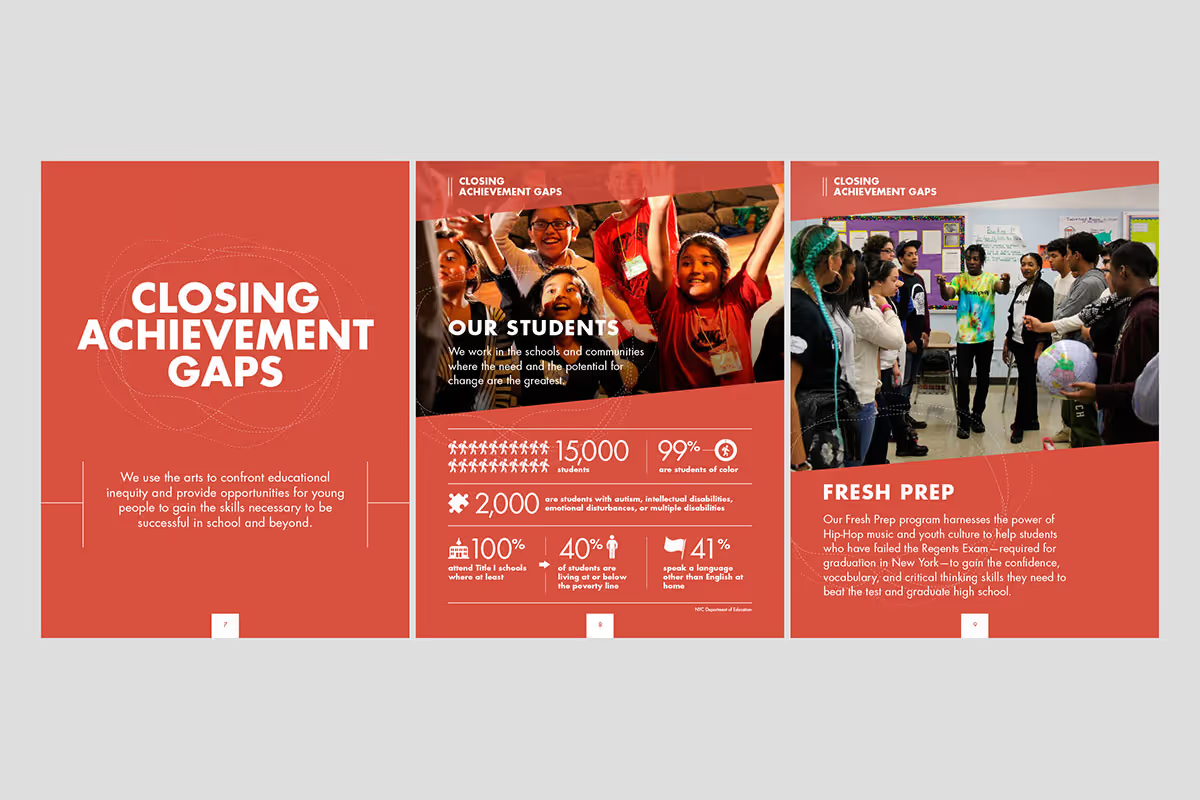
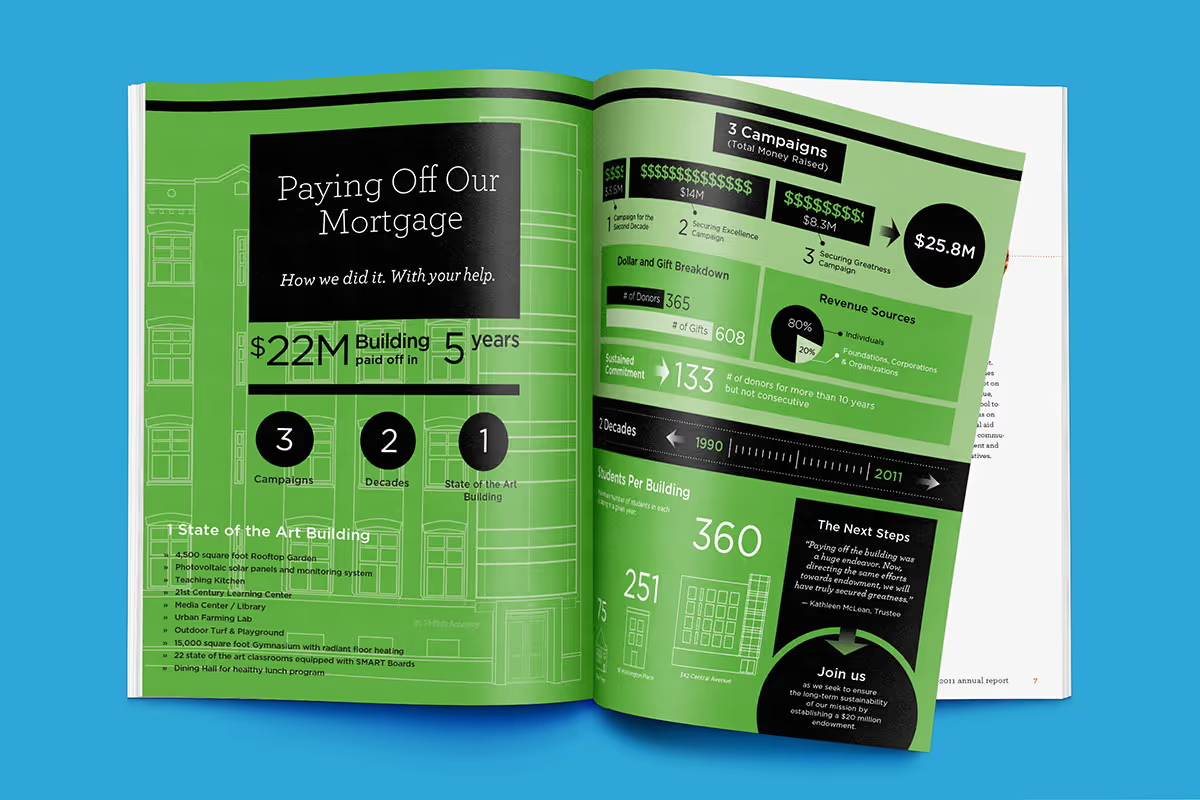
- Annual reports: Use quotes to complement statistics and data.
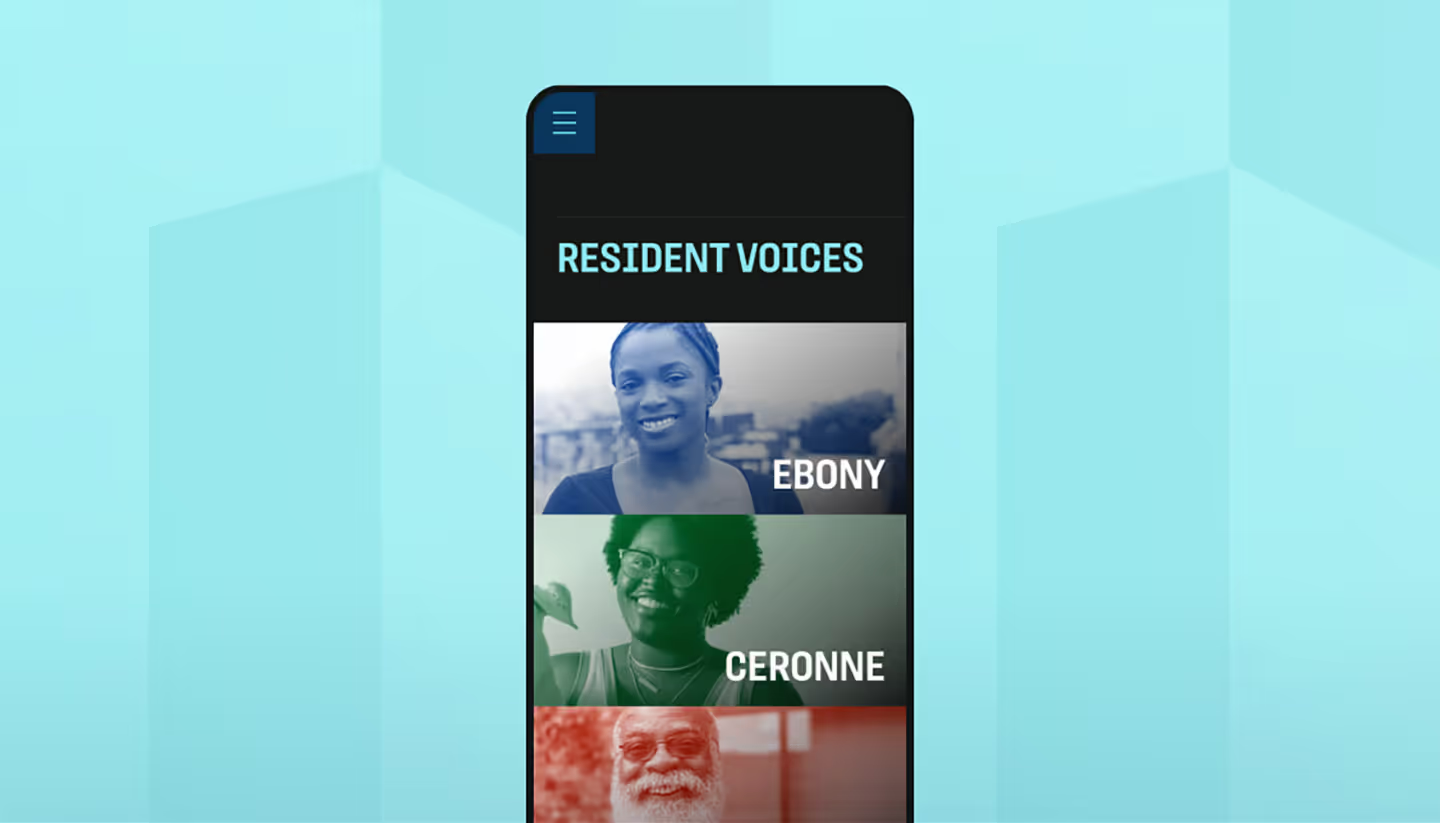
- Website: Incorporate testimonials on relevant pages to build credibility.
- Fundraising materials: Include donor or beneficiary quotes to illustrate impact.
Quick Tip: Pair quotes with visuals for greater engagement and shareability.
5. Ensure Ethical and Respectful Use
Respecting the voices of those you serve is paramount. Use quotes with accuracy, permission, and care.
Best practices:
- Obtain informed consent: Clearly explain how the quote will be used.
- Use real names when possible: Authenticity increases trust, but always prioritize privacy.
- Avoid manipulation: Do not alter quotes to fit a narrative.
- Provide context: Ensure the quote is presented in a way that accurately reflects the speaker's intent.
Quick Tip: Develop a consent form template to streamline the approval process.
By thoughtfully capturing and sharing quotes, you help audiences hear directly from the people connected to your organization’s work. These authentic stories can inspire, engage, and drive action among your audience
You know your organization has done the work - now present it to the world!