Impact stories aren’t just heartwarming extras. They’re strategic tools.
When done well, they can:
- Strengthen trust with donors
- Motivate volunteers
- Reinforce your mission
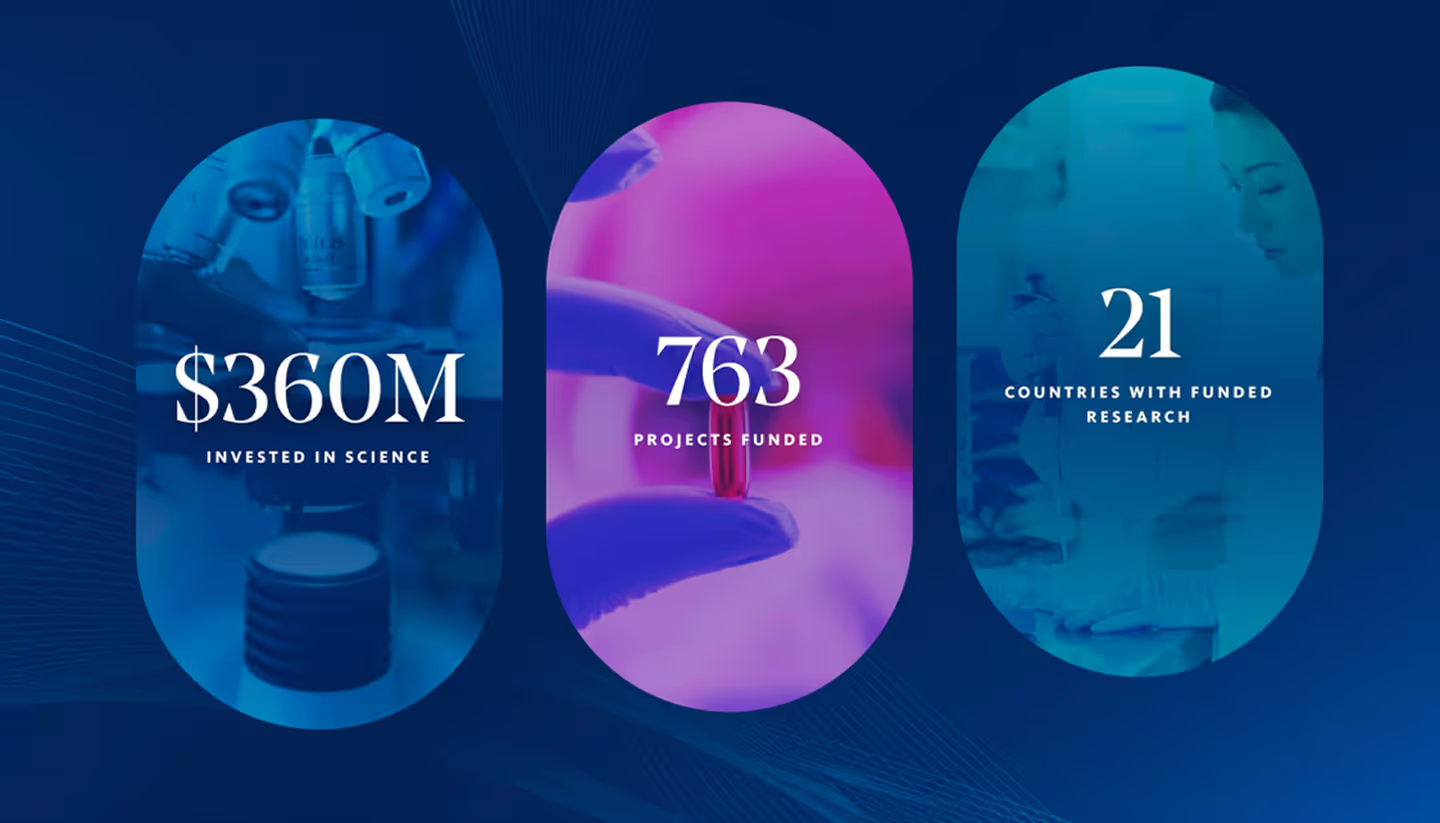
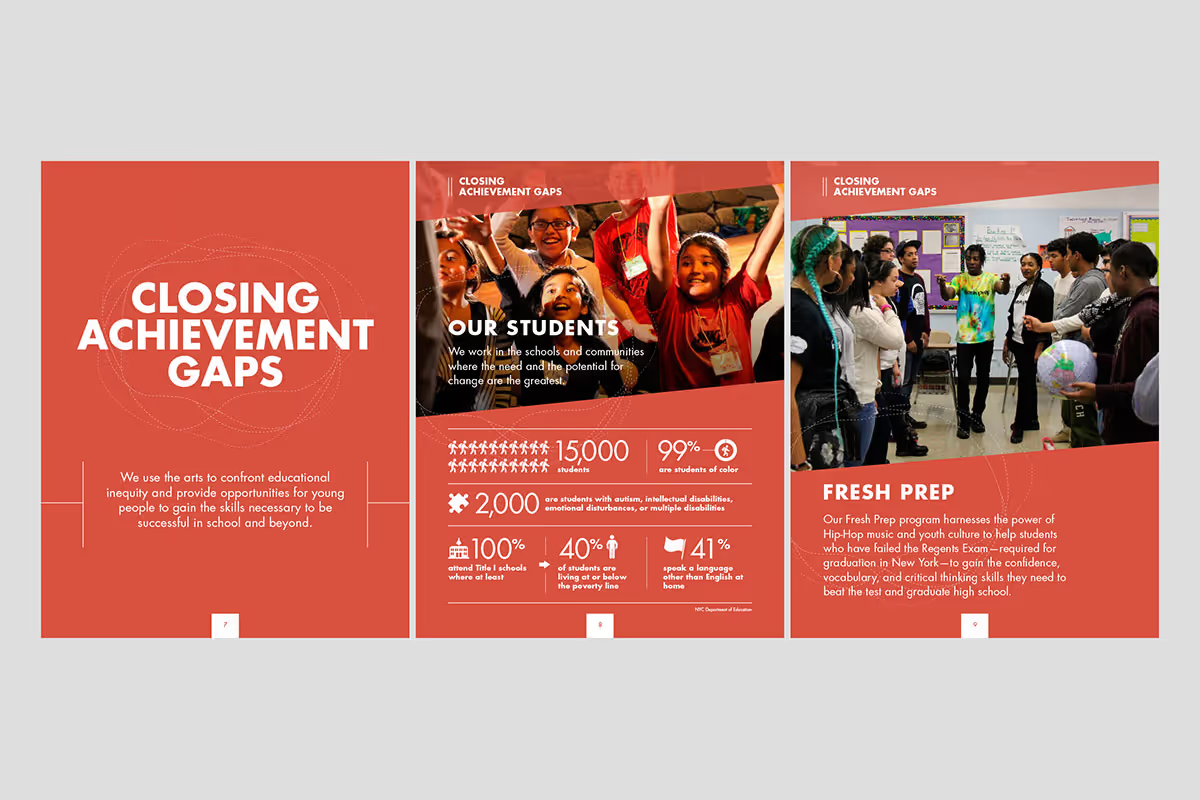
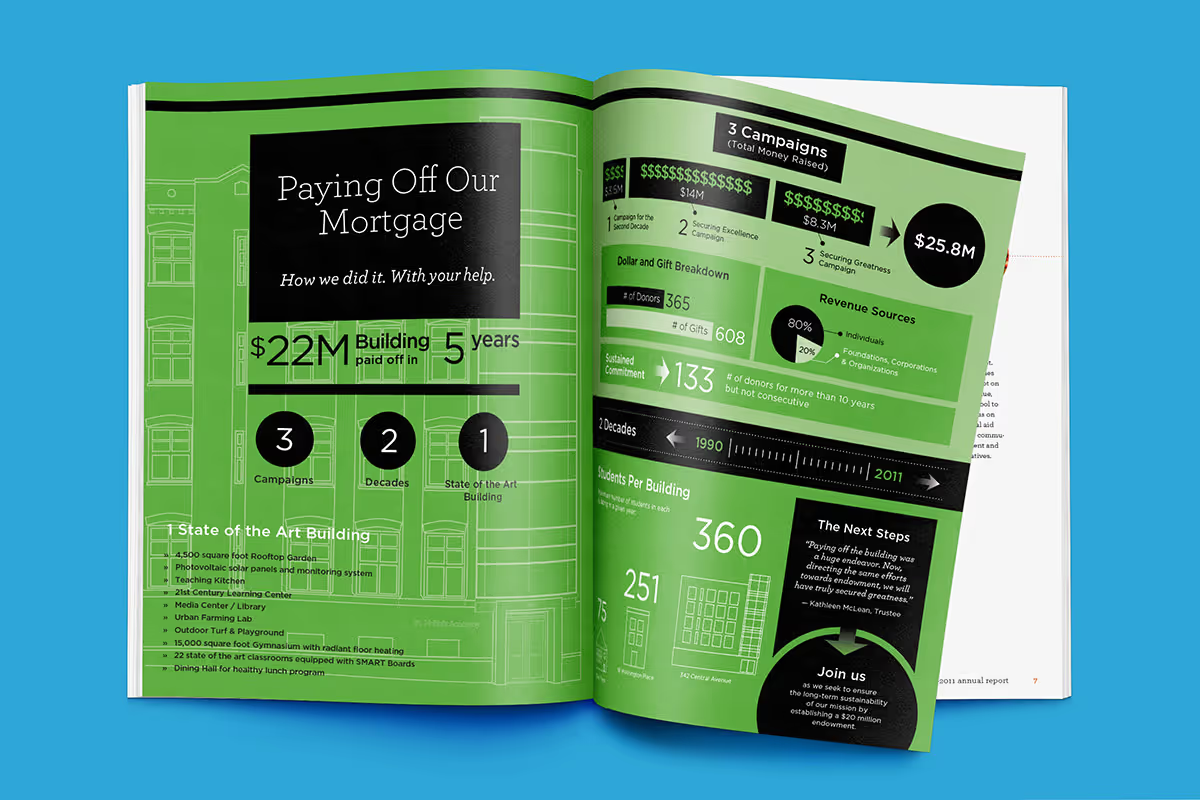
- Make your data come alive
But not all stories stick. The ones that do are clear, emotionally resonant, and above all human. How can nonprofit communicators collect, shape, and share impact stories that connect?
1. Define What an Impact Story Is
Let’s start with the basics. An impact story isn’t a vague success update or a marketing blurb. It’s a narrative that shows how your work made a tangible difference in someone’s life or community.
A strong impact story:
- Centers a real person, family, or group
- Includes a challenge, an intervention, and an outcome
- Connects directly to your mission or a specific program
- Includes clear permission to share, with accurate context and appropriate care
Quick Tip: Use a simple structure:
Before → During → After What was the challenge? What changed? Where are they now?
2. Collect Stories Consistently
Good stories don’t just show up in your inbox. You need a system to collect them.
Here’s what works:
- Create a story submission form with prompts for staff
- Build story collection into program staff workflows (e.g., exit interviews, surveys)
- Offer incentives or recognition for internal referrals if permissible
- Partner with trusted staff who have strong relationships with clients
And most importantly, get consent every time.
Quick Tip: Add a question to your intake or program forms: “Would you be open to sharing your story with our team in the future?”
3. Use a Mix of Formats
Not everyone will read a full-page story. Some people will skim an Instagram caption. Others will stop scrolling for a 30-second video.
Vary your formats based on the channel and audience:
- Written stories for newsletters, blog posts, and donor reports
- Quote graphics for quick-impact social media posts
- Short videos or reels with participant voices or visuals
- Audio snippets for storytelling in podcasts or community meetings
- Carousels or slideshows to walk people through a journey step-by-step
Quick Tip: Repurpose one strong story across 3–4 channels. Use the long version for your annual report, a short version for social, and a pull quote for a donor thank-you letter.
4. Keep the Voice Authentic
It’s tempting to over-edit for grammar or polish. But sometimes a slightly imperfect quote says more than a perfectly crafted one.
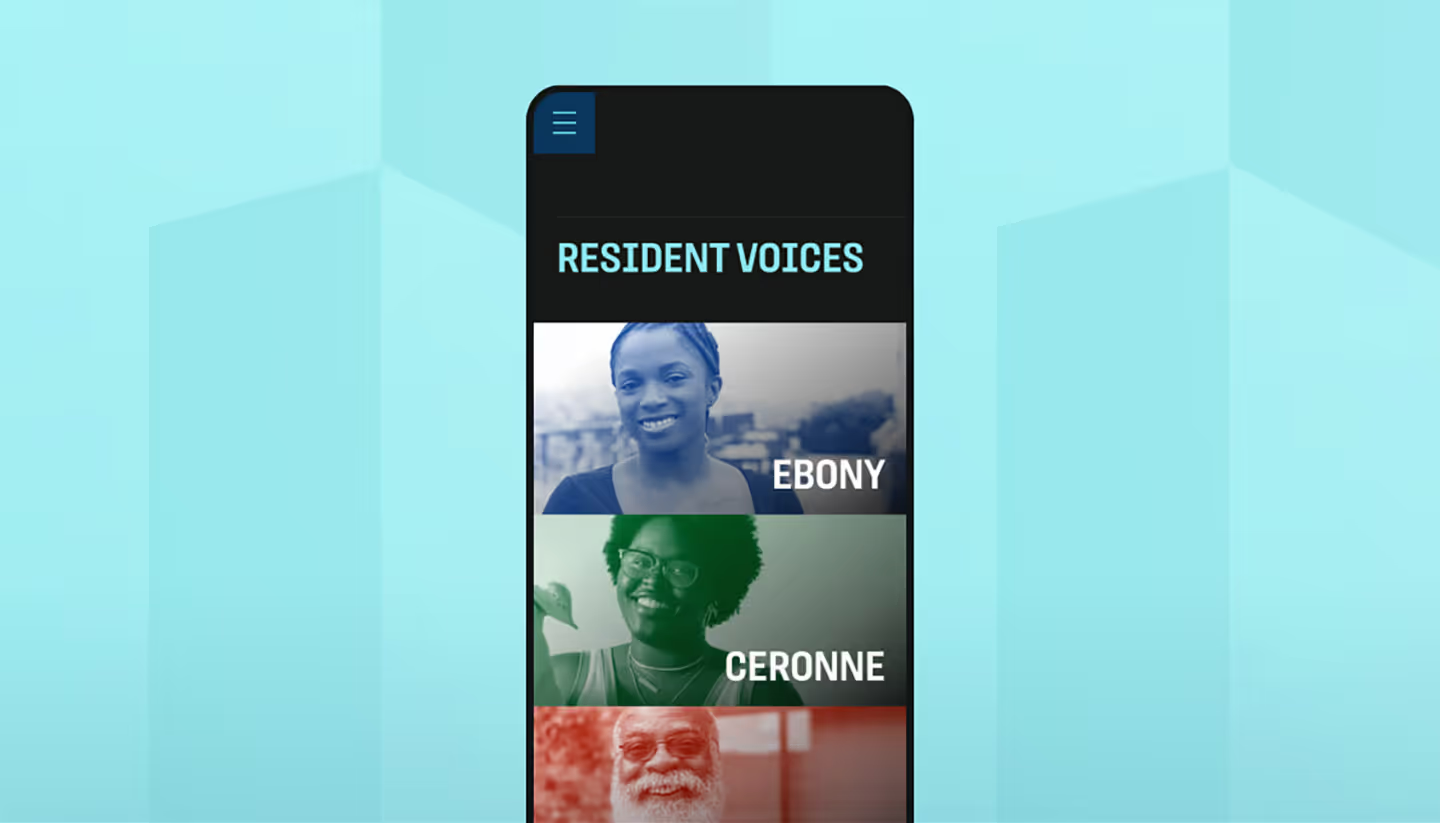
Use the real language of the person you’re featuring. Their tone. Their phrasing. Let their personality come through.
Also, don’t overstate your organization’s role. Show your organization as one part of the story, alongside the person, family, staff, partners, and circumstances involved.
Quick Tip: Start with a strong quote, not a summary.
Instead of: “Our program helped Maria rebuild her life.”
Try: “When I found this program, I finally had a clear next step and someone to help me follow through.”
5. Tie It Back to Mission and Metrics
Stories are emotional—but they’re also strategic. Every story should reinforce your core message and show how your work creates results.
After telling the story, add context:
- “Maria’s story is one of 300 families we supported this year.”
- “This is just one example of how early intervention reduces long-term homelessness.”
Quick Tip: Create a standard “impact footer” for each story with one stat, one CTA (call to action), and a link to get involved.
6. Where Impact Stories Should Live
Once you have a strong impact story, think beyond one channel. The same story can support a website case study, annual report feature, donor email, social post, campaign landing page, grant narrative, or board presentation. The key is to adapt the length and emphasis without losing the person’s voice or consent.
7. Respect Privacy and Consent
It should go without saying, but always get consent in writing. Ask how people want to be identified and where they’re comfortable being featured (e.g., social media vs. grant proposals vs. website).
Let people opt out at any time. And be transparent about what you're using and why.
Quick Tip: Use a tiered consent form that offers clear options:
- First name only or full name
- Photo or no photo
- Share internally or externally
Build with Care
Impact stories aren’t just nice, they’re necessary. They help your audience feel your mission, not just understand it. They bridge the gap between your strategy and your supporters’ hearts.
So make time to tell them. Build systems to collect them. And always tell them with respect, clarity, and care.
Because behind every program stat is a person. And their story matters.
Further Reading & Resources
Storytelling for Good – The Communications Network
A comprehensive platform offering tools and strategies to help nonprofits harness storytelling for greater impact.